融資信息
 專題
 鏈上生態
 詞條
 播客
 活動
 OPRR


賭國運時刻?韓國兆元美元押注半導體,國際結算銀行卻警告AI泡沫

TL;DR
· South Korean President Lee Jae-myung will oversee the "Three Mega Projects," elevating semiconductors, AI data centers, and Physical AI to national investment priorities.
· BIS warns that the AI capital expenditures of the five major cloud giants have exceeded profits and free cash flow, with financing pressure from the demand side beginning to affect pricing.
· Related Targets: Samsung Electronics, SK hynix, NVIDIA, Microsoft, Google, Amazon, Meta, Oracle, and the power equipment and copper industry chain.
According to Reuters on June 29, South Korean President Lee Jae-myung will preside over an industry presentation to announce the three major projects covering semiconductors, AI data centers, and Physical AI. Korean media estimates that long-term investments related to Samsung and SK could exceed 100 trillion won.
This news shifts the AI hardware cycle to a new position. The supply side needs national coordination of land, power, water resources, and regional layout, while the demand side is being questioned by macro institutions about its cash flow resilience.
Almost simultaneously, the BIS reminded in its 2026 Annual Economic Report that the AI-related capital expenditures of the five hyperscalers from 2025 to 2026 will exceed $1 trillion, commitments have already surpassed profits and free cash flow, prompting some companies to finance through debt issuance.
What South Korea sees is a window to seize the AI hardware entry point, while the BIS sees U.S. cloud giants continuing to leverage their AI platform position. Investors need to assess not whether there is AI demand, but whether the demand can continue to be supported by revenue, profit, and cash flow.
South Korea's Focus is on the Hardware Entry Point
At this time, South Korea elevating the project to the presidential level is essentially a competition for the most irreplaceable hardware entry point in the AI industry chain.
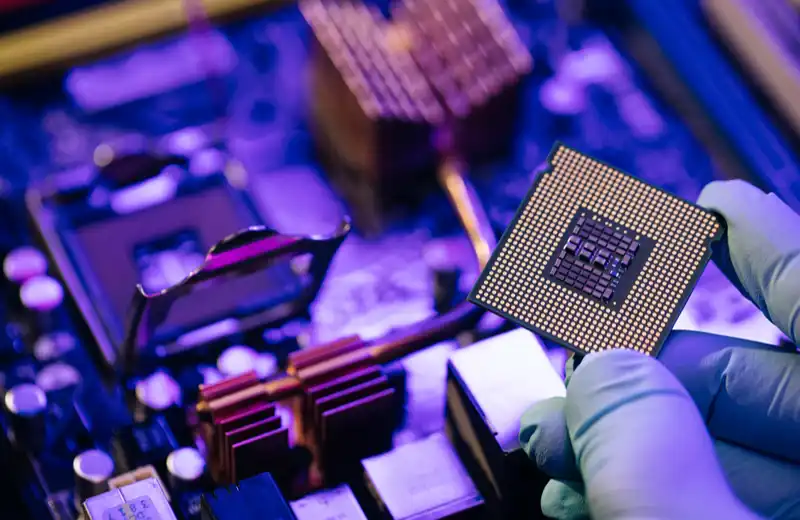
Ordinary investors can understand HBM (High Bandwidth Memory) as a high-speed memory stack next to an AI chip. AI training and inference require not only NVIDIA GPUs but also memory to continuously feed data into them. SK hynix leads in HBM, with Samsung also catching up.
The project also covers AI data centers and Physical AI. Physical AI refers to putting models into robots, devices, and factory systems to enable AI to perform operations in the real world. The corresponding demand may come from manufacturing, logistics, robotics, and edge devices.
据報導,韓國政策顧問 Kim Yong-beom 認為 AI 需求增長快於預期,韓國不能只讓企業各自擴產,而要把電力、土地、水資源和區域佈局一起納入規劃。部分討論也指向首都圈之外的光州、全羅等地區,背後是基礎設施約束已經變成擴產瓶頸。
這輪韓國投資的市場含義,不是簡單新增半導體支出,而是試圖把三星、SK 的企業擴張,變成韓國在 AI 硬件供應鏈中的長期位置。
BIS 盯住需求端現金流
BIS 的警告並不是把 AI 直接定義為泡沫,它指向的是資本支出和現金流之間的裂口。
資本支出是企業為了未來增長提前花出去的錢,比如建數據中心、買 GPU、擴電力系統。自由現金流是企業經營扣除必要支出後還能自由使用的錢。BIS 提醒,五大雲巨頭 AI 資本支出已經超過盈利和自由現金流,擴張正在更多依賴融資安排。
這和韓國的供給側押注剛好接上。韓國擴的是 HBM、先進封裝、數據中心和機器人硬件,美國雲巨頭買的是 AI 伺服器、晶片、電力和機房。前者的投資信心,來自後者的訂單預期。
BIS 還給出更謹慎的情景:在競爭壓力下,企業可能為了不輸掉 AI 平臺位置而過度承諾投資,即便整個行業最終淨經濟剩餘可能轉負。鐵路和互聯網泡沫時期也出現過類似過程,技術方向長期成立,但某一階段資本配置過熱。
這也是相關報導後三星、SK hynix 股價當天一度下跌時,市場需要區分的地方。公開報導把當日下跌更多歸於全球科技股漲後休整,而不是單一政策因素。可股價仍提示一個問題:當巨額擴產遇到回報驗證,供應鏈龍頭也會被重新評估折舊、利用率和訂單可見度。
供給國家化放大需求驗證
韓國的動作強化了 AI 硬件周期,也放大了它對美國雲巨頭資本支出的依賴。
在樂觀情景下,美國雲巨頭繼續上修 AI 支出,企業 AI 服務、雲收入和推理需求逐步覆蓋晶片、折舊、電力和利息成本。韓國提前佈局 HBM、先進製程、封裝和數據中心,就會形成國家級產業護城河。
在偏謹慎情景下,問題會沿著同一條鏈路反向傳導。雲巨頭如果發現 AI 收入增長無法覆蓋全成本,就可能推遲數據中心建設,削減伺服器訂單,甚至重新談判供應鏈價格。韓國前期擴出的產能、園區和電力投資,將面對利用率和回報率壓力。
這裡最容易被誤讀的是投資金額。韓媒口徑中,三星、SK 相關長期投資有「超過 1000 兆韓元」「合計約 2000 兆韓元」等不同說法。更穩妥的理解是,這是未來十年級別的高位規劃或估算,不等於已經全部落地的政府承諾,也不等於每一年都會被訂單順利消化。
韓國政府要解決的是國家產業位置,美國雲巨頭要解決的是 AI 商業回報。前者可以靠政策、土地和基礎設施推進,後者最終要靠收入、利潤和現金流驗證。
電力和利用率決定估值彈性
這輪 AI 硬件周期最先驗證的,可能不是宏偉的生產力敘事,而是幾個更硬的變數:電力是否到位,工廠是否按期建設,HBM 和伺服器訂單是否持續,雲巨頭是否還能用經營現金流支撐資本支出。
電力尤其關鍵。AI 資料中心對電網、變壓器、銅和冷卻系統都有持續需求。若韓國計劃中的區域資料中心和半導體集群同步推進,電力設備和大宗商品會受益。若電網擴容慢於項目節奏,投資承諾會先變成成本壓力。
另一個變數是 2027 年後的利用率。當前市場願意給 AI 供應鏈較高估值,是因為默認訓練和推理需求會持續放大。一旦雲巨頭資本支出從加速轉為放緩,最先變化的可能不是技術判斷,而是訂單能見度、庫存周期和折舊壓力。
韓國這次國家級押注更像一個放大器。AI 回報兌現,它會放大三星、SK hynix 在全球供應鏈中的位置。回報不及預期,它也會放大資本支出反噬的速度。對投資者而言,接下來最具體的驗證點,是美國雲巨頭現金流能否繼續追上它們已經許下的 AI 支出。
歡迎加入律動 BlockBeats 官方社群:
Telegram 訂閱群:https://t.me/theblockbeats
Telegram 交流群:https://t.me/BlockBeats_App
Twitter 官方帳號:https://twitter.com/BlockBeatsAsia

 相關文章